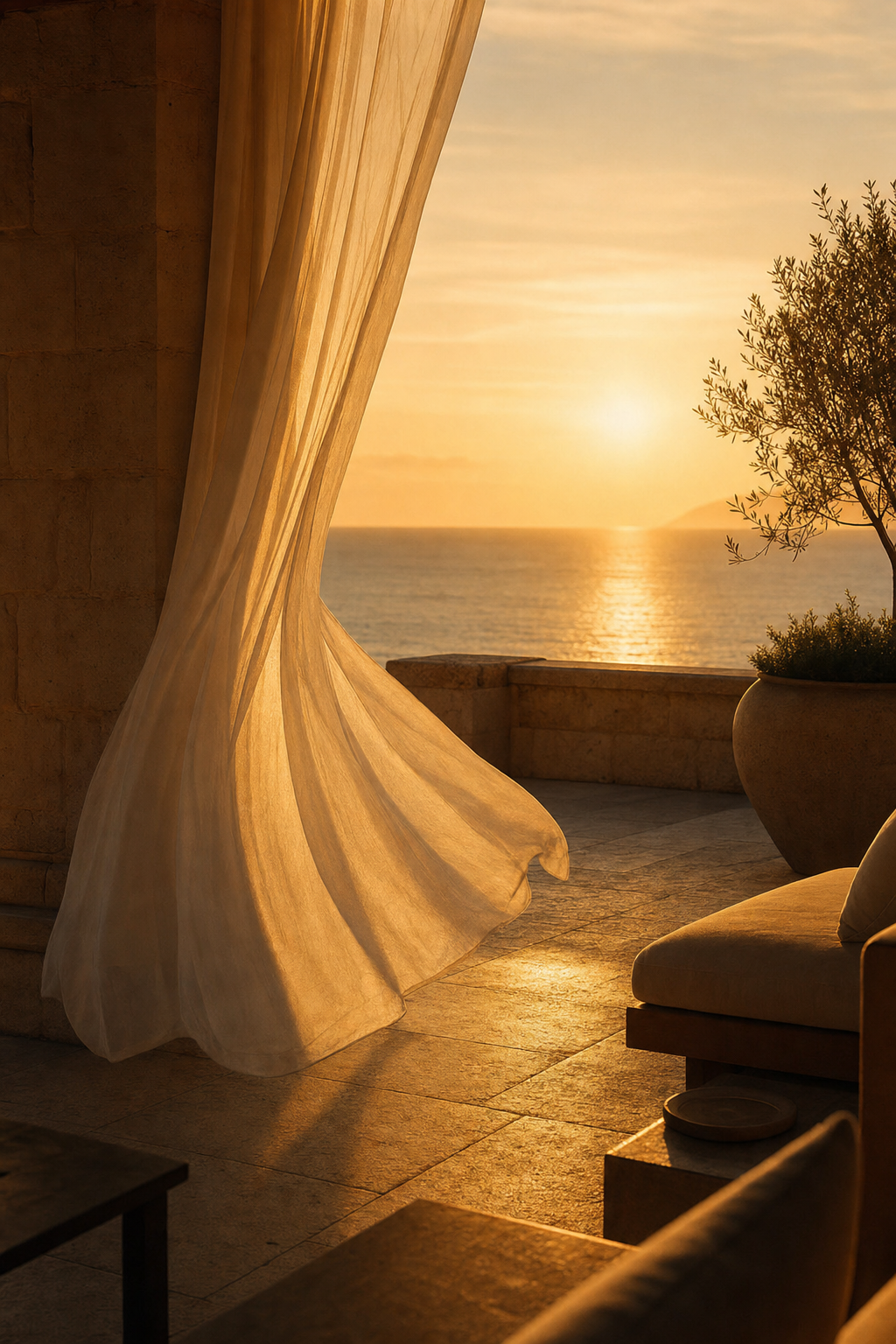
A cinematic video luxury hotel sense of place slow travel 2026 content strategy communicates a property's unique atmosphere through immersive storytelling that emphasizes cultural depth. By highlighting the deliberate pace of the guest experience, these films build the emotional resonance and trust needed to attract travelers seeking authentic, long-term stays. This approach effectively converts high-end guests who prioritize meaningful connections over standard amenities.
Modern luxury hoteliers often face a frustrating paradox where pristine room photography fails to translate into high-value bookings. In an era saturated with generic visuals, discerning guests are no longer moved by the mere display of thread counts or infinity pools. By 2026, the global traveler has pivoted toward slow travel; they seek a profound sense of place that resonates with their desire for cultural enrichment. If your current marketing lacks soul, you are likely losing these sophisticated guests to competitors who masterfully narrate their heritage. This article explores how cinematic video serves as the definitive bridge between a physical location and a guest's emotional aspiration. You will learn how to leverage AI media studios to transform legacy assets into immersive narratives that highlight local culture, ultimately driving direct bookings through the power of visual storytelling that honors the slow travel movement.
The Rise of the Enrichment Driven Guest: Why 2026 is the Year of Slow Travel
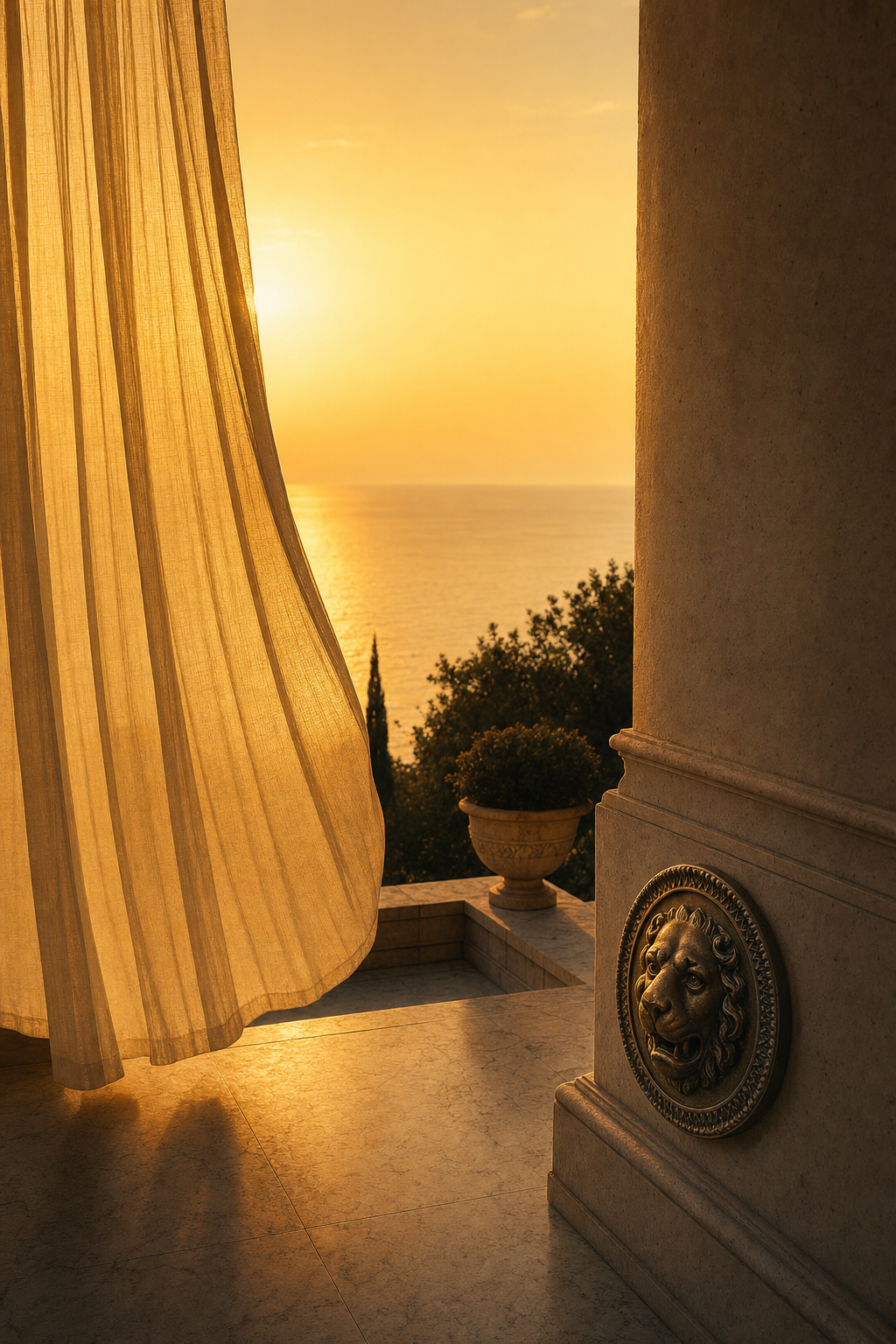
As we approach 2026, the luxury hospitality landscape is undergoing a fundamental shift in traveler psychology. The era of high velocity, checklist-based tourism has been replaced by the rise of the enrichment-driven guest. This traveler prioritizes depth over distance, seeking what industry analysts now call the "whycation," a journey defined by its emotional purpose rather than its itinerary. Central to this movement is "hushpitality," a trend where travelers demand quiet, restorative environments that offer a sanctuary from the digital noise of modern life.
Slow travel in 2026 is an intentional rejection of the frenetic pace once associated with luxury. Instead of visiting ten landmarks in three days, guests are choosing to stay longer in a single property, engaging with its unique seasonal rhythm and residential atmosphere. This transition from performative luxury to personal enrichment means that travelers are no longer satisfied with simply seeing a beautiful room; they want to understand how a stay will make them feel. They are looking for a deep emotional resonance that traditional marketing often fails to convey.
For properties to remain relevant, their luxury brand visuals must evolve. The contemplative nature of slow travel requires a visual language that communicates presence and tranquility. Traditional, static galleries cannot fully translate the specialized atmosphere of a heritage property or the specific pace of its service. To capture the attention of this new demographic, hotels must adopt AI driven cinematic film suites that go beyond the surface, setting the stage for a narrative that prioritizes the soul of the destination. This shift toward a cinematic video luxury hotel sense of place slow travel 2026 strategy is the key to connecting with guests who value meaningful memory formation over mere accommodation.
Defining Sense of Place in Luxury Hospitality
To understand why the 2026 traveler is drawn to specific properties, one must define the concept of Genius Loci, or the "Sense of Place." In hospitality, a sense of place is the unique soul of a property that emerges from a synthesis of its local architecture, historical heritage, regional textures, and the specific rhythm of its surrounding environment. It is the intangible feeling that a guest is exactly where they are supposed to be, rooted in a location's specific identity rather than a standardized template of luxury.
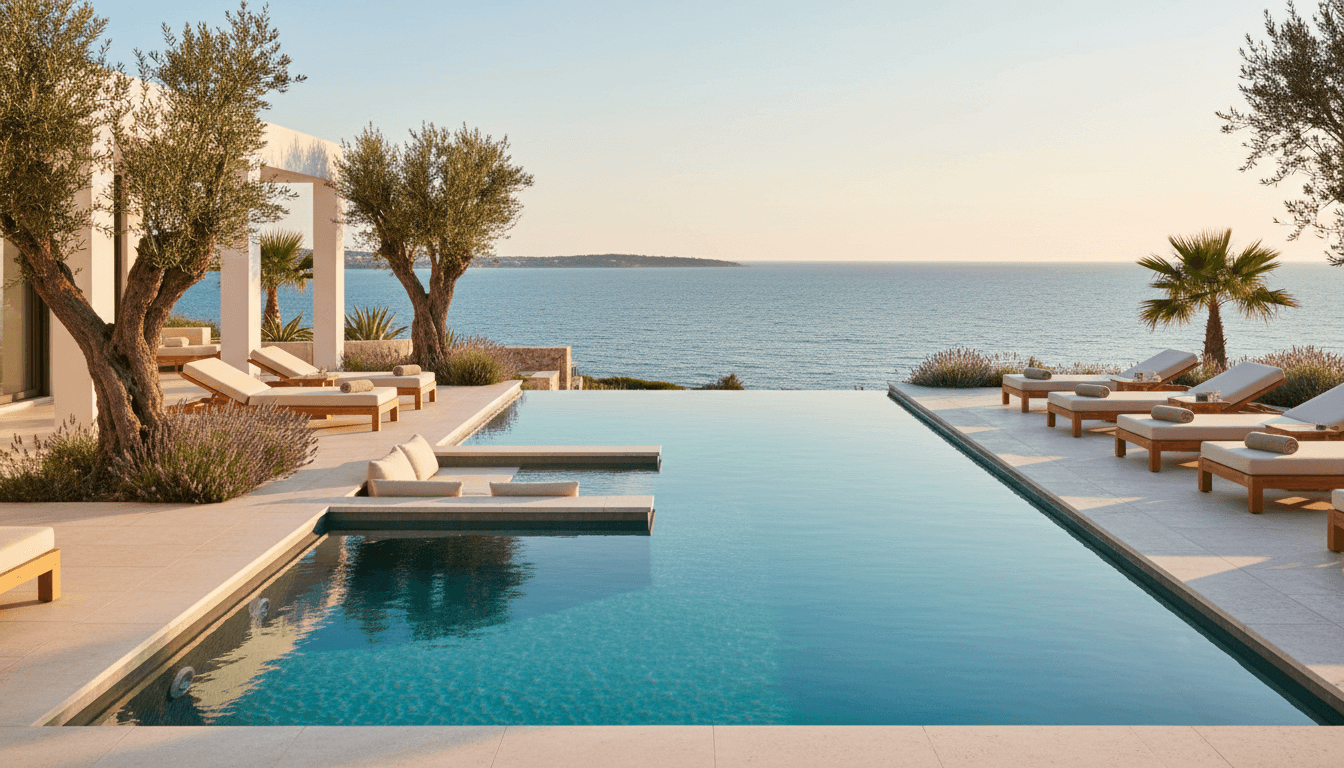
What is a sense of place in hospitality? It is the primary differentiator that separates a globalized hotel chain from an iconic destination. For leading brands like Rosewood or Aman, this identity is built through meticulous attention to detail, such as the way morning light hits a reclaimed limestone floor or the specific sound of the wind through local flora. In a crowded market, establishing this connection is essential; it transforms a stay from a mere transaction into a meaningful experience. By focusing on luxury brand visuals that highlight these nuances, properties can effectively communicate their character. This authentic portrayal is the cornerstone of a successful cinematic video luxury hotel sense of place slow travel 2026 strategy, providing the emotional bridge that enrichment-seeking guests require before they commit to a booking.
Why Static Imagery Fails the Slow Travel Narrative
Standard professional photography excels at documenting physical assets, but it is fundamentally ill equipped to communicate the cadence of a destination. A high resolution image of a guest suite provides evidence of its amenities, yet it remains silent on the experience of living within that space. For the 2026 traveler, who prioritizes the restorative rhythm of a property, a gallery of frozen moments feels increasingly transactional and insufficient.
Static frames fail to capture the specific way morning light traverses a historic Boston courtyard or the hushed, resonant acoustics of a heritage library at dusk. These sensory details constitute the vibe that slow travel guests use to vet a destination before committing to a stay. When a brand relies solely on stills, there is a cognitive gap between the guest’s desire for immersion and the property’s actual atmosphere. Luxury brand visuals must now account for the dimension of time. A cinematic video luxury hotel sense of place slow travel 2026 strategy uses movement to illustrate pace, from the gentle steam rising off a morning espresso to the fluid, quiet service of the staff. By choosing to transform still imagery into cinema, hotels bridge this gap, offering a digital invitation that reflects the true soul and seasonal tempo of the property.
Cinematic Video vs Room Tours: Capturing Heritage and Culture

Most hotel marketing currently suffers from a functional bias. Industry data reveals that many properties prioritize a checklist of features, documenting square footage or mini-bar selections as if they are listing commercial real estate. This utility-focused approach is insufficient for a cinematic video luxury hotel sense of place slow travel 2026 strategy. While a functional room tour confirms a guest’s basic needs are met, it does nothing to satisfy the emotional craving for cultural immersion and narrative depth.
To engage the 2026 guest, the visual focus must shift toward the property’s heritage and its integration into the local landscape. This means highlighting the specific artisans who curated the space and the seasonal rhythms that dictate its atmosphere. Instead of a wide, static shot of a lobby, a cinematic film uses a slow pan across the texture of a 200 year old stone wall or a shallow depth of field to emphasize the grain of locally sourced oak furniture. These luxury brand visuals signal a commitment to quality and a respect for history that resonates with the slow travel movement’s desire for authenticity.
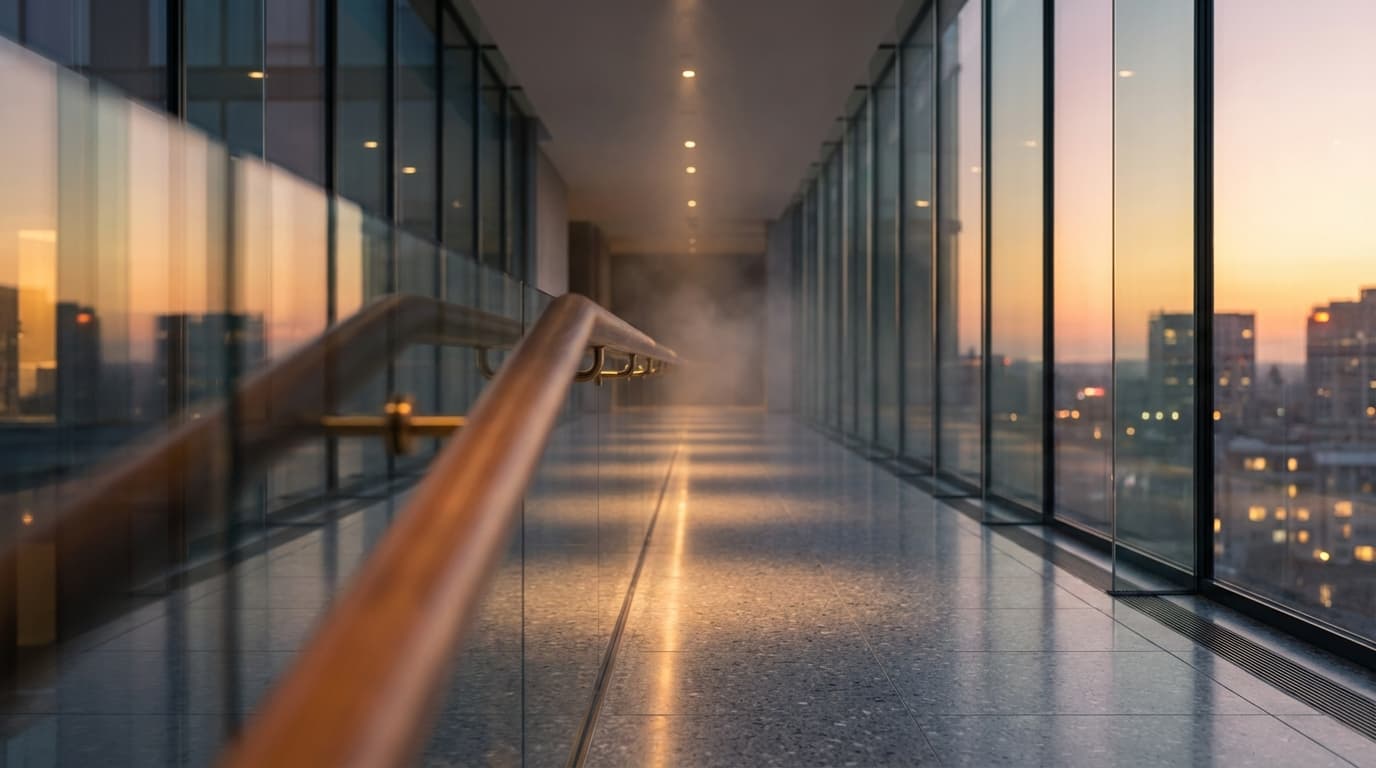
Strategic use of atmospheric lighting and deliberate pacing creates a tangible sense of hushpitality. When you transform still imagery into cinema, you can accentuate the specific way shadows lengthen in a historic hallway or how the soft morning light filters through a Boston courtyard. These techniques do more than show a room; they establish a mood of restorative calm. By choosing AI driven cinematic film suites that prioritize storytelling over physical inventory, hotels can transform their marketing from a mere tour into a gateway for personal enrichment. This shift allows the property to become a living character in the traveler’s journey rather than just a backdrop for their stay.
How AI Media Studios Transform Heritage Assets into Cinematic Masterpieces
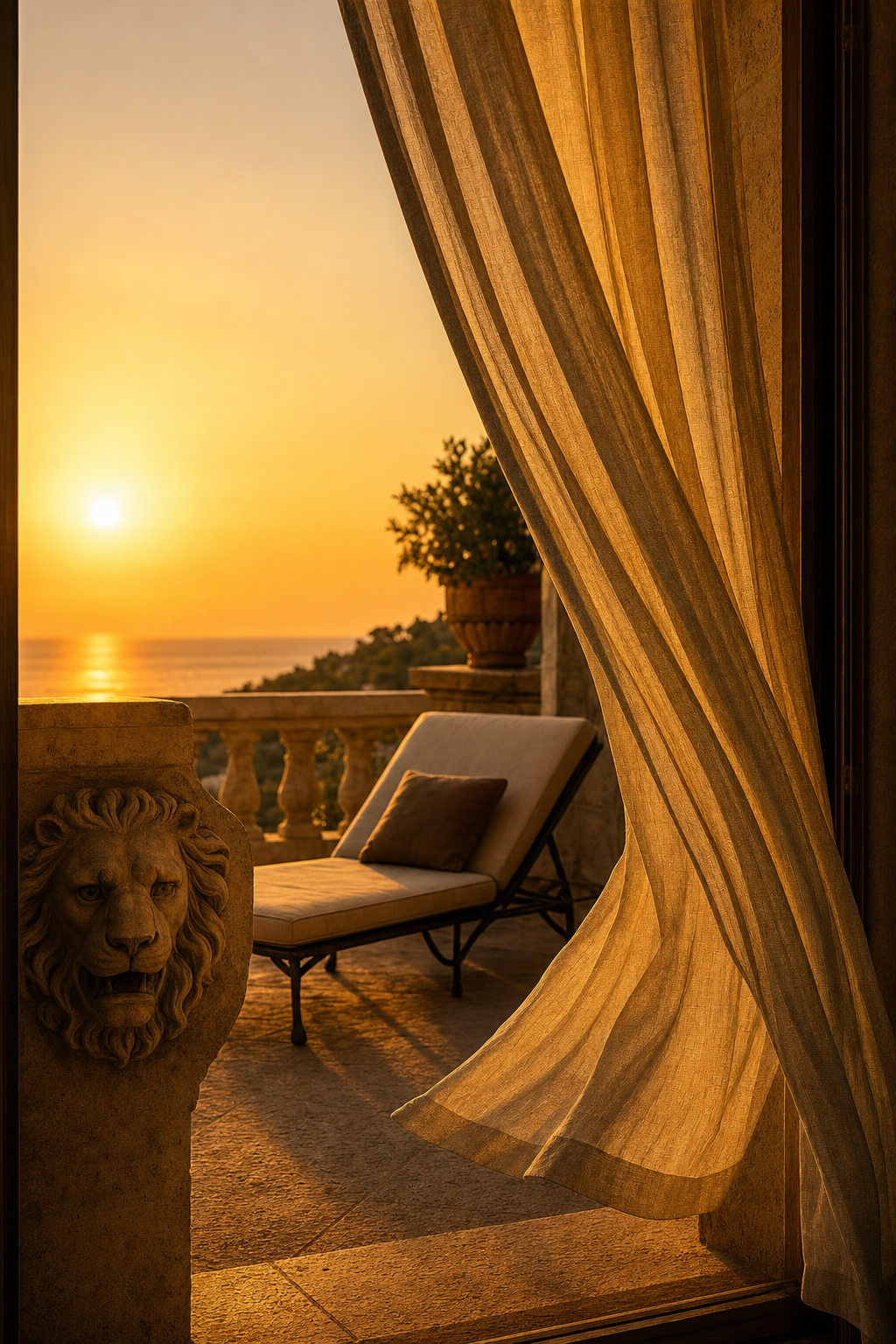
Heritage properties often face a significant hurdle: they possess extensive archives of world class photography but lack the fluid motion assets required for 2026 digital landscapes. Global Five Star addresses this gap by using advanced artificial intelligence to transform still imagery into cinema. This process does not merely animate an image; it reimagines it. By analyzing the depth, textures, and geometry of existing professional stills, our AI driven cinematic film suites can simulate complex camera movements like slow dollies and dramatic pans that were previously impossible without a film crew on site.
For a property executing a cinematic video luxury hotel sense of place slow travel 2026 strategy, this technology is a vital asset. It allows a brand to breathe life into its historical narrative, turning a static shot of a grand Boston ballroom or a sun-drenched courtyard into a living, breathing scene. This method preserves the prestige of the original luxury brand visuals while providing the high impact, scroll-stopping movement necessary to capture the attention of an enrichment-driven guest.
Beyond simple motion, AI enables the manipulation of atmospheric elements. We can introduce the subtle shift of shadows across a mahogany desk or the gentle flicker of candlelight in a heritage suite. These nuances are the hallmarks of hushpitality; they communicate the tranquility and deliberate pace of the guest experience. By repurposing existing assets into cinematic masterpieces, hotels can maintain a consistent, sophisticated presence across all platforms without the logistical disruption of repeated on-site shoots, ensuring the property's soul is felt before the guest even arrives.
Local Culture as a Marketing Asset: Winning the 2026 Guest
To secure the enrichment-driven traveler, a property must position itself as a curated gateway rather than an isolated retreat. This requires a shift in luxury brand visuals where the neighborhood becomes an extension of the hotel’s identity. For a Boston based brand, this involves capturing the specific intellectual and historical atmosphere that defines the city. A cinematic video luxury hotel sense of place slow travel 2026 strategy should feature the interplay between the property and its surroundings, such as the rhythmic footfalls on Beacon Hill cobblestones or the quiet, scholarly air of a nearby historic library.
Actionable visual storytelling should focus on the following elements: - The transition from the hotel’s threshold to local landmarks, showing the property’s physical integration into the city's fabric. - Vignettes of local life, such as the steam from a vendor's stall at a neighborhood market or the specialized work of a local master craftsman. - The hotel’s concierge or staff engaging with local culture, signaling that the property is an active participant in the community.
When you transform still imagery into cinema, you can emphasize these cultural connections through fluid motion and atmospheric depth. By showing the property as the starting point for a deeper journey, you appeal to the guest who seeks a whycation rooted in local lifestyle. This positioning transforms the hotel into a primary asset for the destination, ensuring that the guest views the stay as an essential part of their personal enrichment.
Boosting Direct Bookings Through Immersive Visual Storytelling
The shift from viewing a property as a commodity to an emotional destination is the primary driver of direct booking revenue. When guests encounter luxury brand visuals that prioritize atmospheric storytelling, they form a subconscious connection with the property. Online Travel Agencies focus on price parity; however, they cannot replicate the visceral pull of a narrative rooted in time and place. By utilizing a cinematic video luxury hotel sense of place slow travel 2026 strategy, properties bypass the transactional nature of third party platforms. High impact films integrated into website hero sections significantly increase dwell time, as visitors linger to absorb the specific rhythm of the arrival experience or the tactile quality of the interiors.
Conversion rates see a measurable lift when properties transform still imagery into cinema for social media advertising. These assets function as digital invitations, reducing bounce rates by providing immediate proof of the restorative environment a guest seeks. When a traveler perceives a hotel as a unique sanctuary, the friction of direct booking disappears. Our AI driven cinematic film suites ensure that every digital touchpoint reinforces this exclusivity, turning passive viewers into confirmed guests who value the direct relationship with the brand.
As we look toward 2026, the success of luxury hotel marketing lies in its ability to evoke emotion and a true sense of place. Cinematic video serves as the bridge between a potential guest and the authentic experiences they crave. Capturing these subtle, evocative moments requires a strategic approach to visual storytelling. If you want expert help translating your property’s unique spirit into a compelling film, our services provide the specialized tools and vision needed to reach the modern slow traveler.