High-quality cinematic video hotel group brand consistency direct bookings 2026 strategies enable luxury properties to build guest trust and emotional connections through unified storytelling. By maintaining a cohesive visual identity and consolidating marketing functions, hotel groups can successfully drive more traffic to their own websites and maximize revenue.
Maintaining brand integrity across a global hospitality portfolio often feels like a battle against aesthetic fragmentation. When individual properties produce disparate video content, the overarching brand identity suffers, which creates friction in the luxury guest journey. As we look toward 2026, this lack of visual cohesion is more than a creative oversight; it is a direct threat to your bottom line. To reclaim sovereignty from third party booking platforms, hotel groups must adopt a unified cinematic film signature that resonates across every touchpoint. This article examines the strategic shift toward centralized visual excellence. You will learn how to scale high production standards using emerging AI technologies, bridge the commitment gap through purpose driven storytelling, and implement a rigorous marketing framework that converts passive viewers into direct, loyal guests.
The Brand Dilution Crisis in Multi Property Hospitality Portfolios
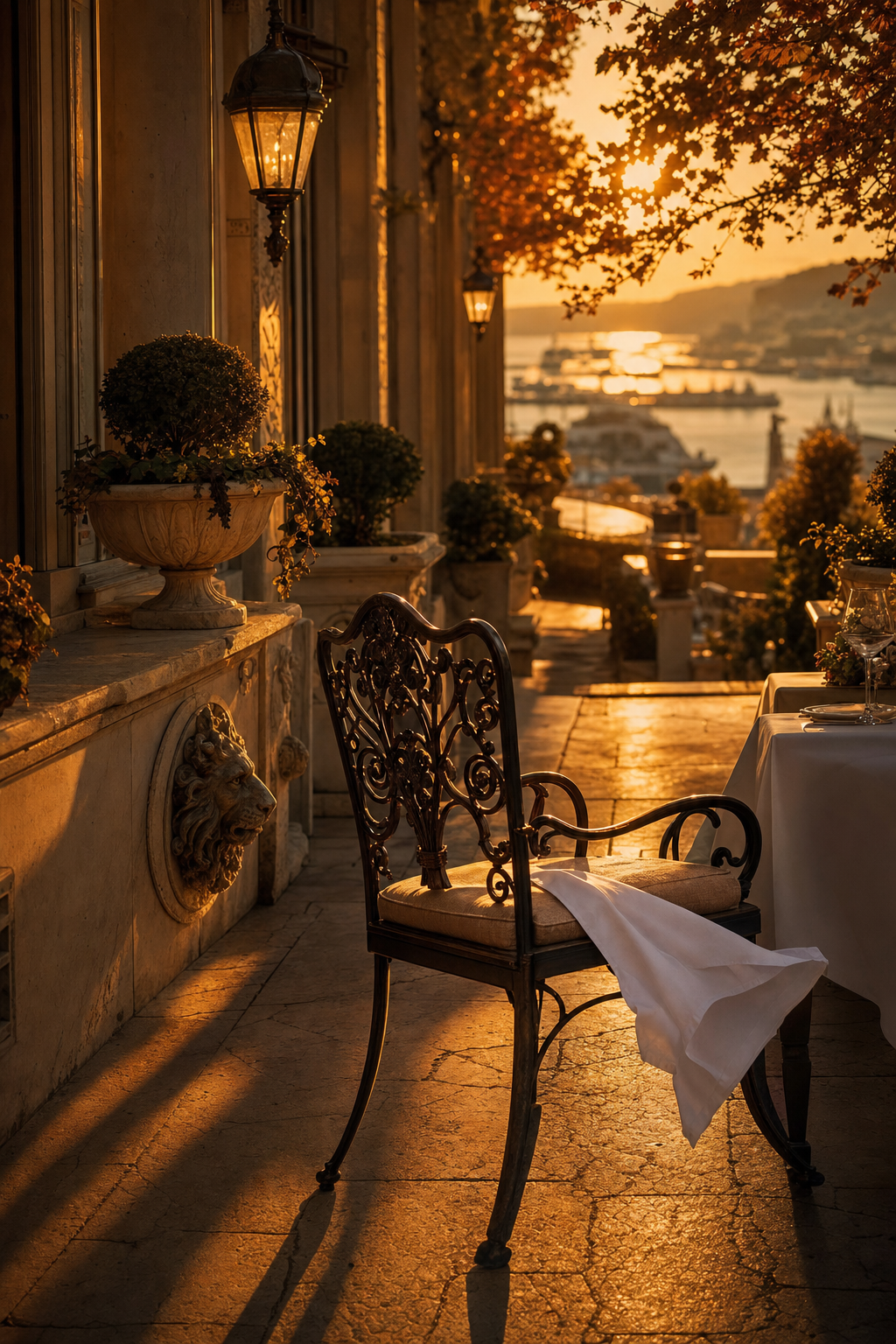
A luxury hotel portfolio often functions as a fragmented visual landscape rather than a unified brand. For a group managing 50 or 100 properties, the digital presence frequently becomes a collection of disparate identities. This brand dilution occurs when regional teams hire local freelancers who each bring distinct lighting preferences, frame rates, and editing styles. The result is a jarring experience for the high end traveler, who might move from a moody, high contrast film of a Parisian suite to a flat, overly bright video of a Boston property.
This inconsistency creates a visual shock that erodes brand equity. In luxury hospitality, trust is the primary currency; 81 percent of guests require a firm sense of brand reliability before committing to a stay. When the visual narrative shifts wildly between properties, the brand loses its authoritative voice. Data from ByFinesseGroup indicates that maintaining consistent marketing leads to a 23 percent increase in revenue. For global groups, this impact is magnified because the visual experience serves as the guest's first point of physical contact with the brand.
To capture the luxury market, firms must move beyond static identity and define the visual soul of their portfolio. This requires AI driven cinematic film suites that maintain a singular aesthetic across every continent. Without a strategic focus on luxury hotel brand visuals, the underlying philosophy of the property is lost. As we look toward the intentional travel trends of 2026, maintaining a cinematic video hotel group brand consistency direct bookings 2026 framework becomes essential to elevate brand prestige and secure guest loyalty before they ever reach the booking engine.
Defining the Unified Cinematic Film Signature for 2026
A Cinematic Film Signature represents the core visual DNA of a luxury hotel group. It transcends the superficial addition of a logo or a specific font in the credits; it is a meticulously engineered combination of color science, rhythmic pacing, and light manipulation. While a generic promotional video focuses on simply showing a room, a cinematic signature focuses on evoking a specific emotion through a unified aesthetic. This signature ensures that whether a guest is viewing a film of a historic Boston brownstone or a minimalist retreat in the Maldives, the brand’s visual soul remains unmistakable.
Defining this signature requires a standardized approach to four key pillars:
Color Science: Utilizing bespoke Look-Up Tables (LUTs) to maintain a consistent palette, ensuring that the warmth of a sunset in the Mediterranean feels cohesive with the golden hour light in a New England courtyard.
Pacing and Motion: Establishing a specific cadence for edits and camera movements, such as slow, intentional glides that mimic the calm of a luxury guest experience.
Soundscapes: Crafting a layer of spatial audio and score that reinforces the brand’s atmosphere, using specific frequencies and textures that the ear begins to associate with the property group.
Light Capture: Defining how the lens interacts with flare, shadow depth, and highlights to create high-fidelity, luxury hotel brand visuals.
When these elements are synchronized, the resulting AI driven cinematic film suites provide the visual connective tissue necessary for global portfolios. By 2026, this level of cinematic video hotel group brand consistency direct bookings 2026 will be the primary differentiator for travelers seeking a guaranteed standard of luxury. This approach allows a marketing team to elevate brand prestige by presenting a world that is diverse in geography but singular in intent, effectively removing the visual dissonance that often plagues multi-property marketing.
Scaling Excellence: How AI Transforms Static Assets into Cinematic Campaigns
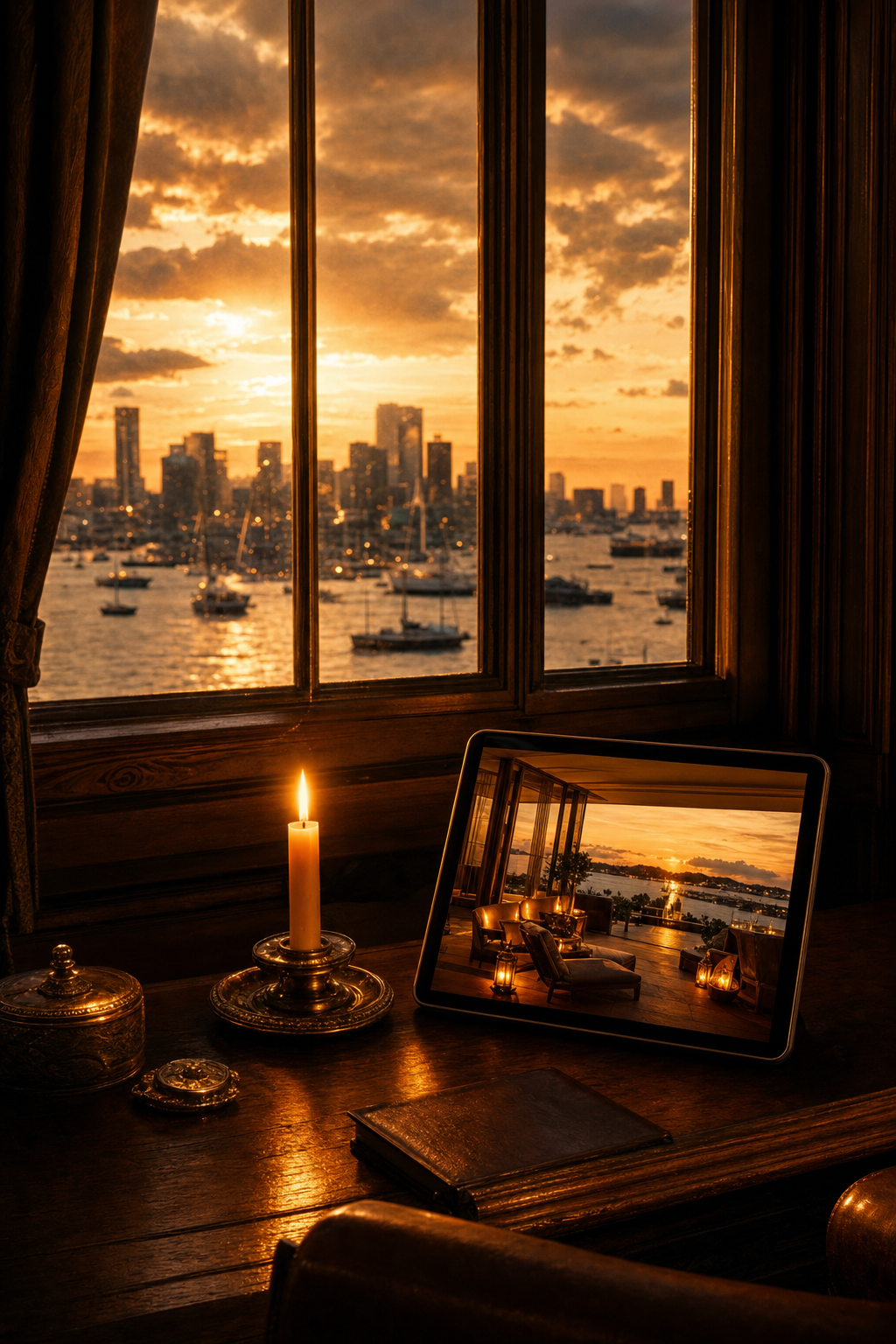
Traditional content creation for a global portfolio is historically slow and prohibitively expensive. Sending high-end film crews to fifty properties across four continents requires months of logistical planning, significant travel budgets, and complex post-production cycles. By the time a global campaign is finalized, the seasonal relevance is often lost. The Global Five Star AI Media Studio solves this bottleneck by leveraging existing high-quality still imagery to build AI driven cinematic film suites.
Our technical framework utilizes advanced generative AI to interpolate motion within static assets. This is not a simple parallax effect or a basic slideshow. Instead, the AI analyzes the architecture, light sources, and textures of a still photograph to generate new, fluid frames that mimic professional dolly shots and crane movements. Because these transformations occur within the cloud, a Boston based marketing team can manage the visual identity of a property in Singapore or Zurich without leaving their headquarters.
Efficiency Metric | Traditional Film Production | Global Five Star AI Studio |
|---|---|---|
Time to Market | 3 to 6 Months | 2 to 4 Weeks |
Production Cost | High (Travel, Crew, Gear) | Scalable (Asset-Based) |
Content Refresh Frequency | Annual or Bi-annual | Monthly |
Brand Uniformity | Variable by Director | Absolute (Signature Logic) |
This process is approximately 10x faster than traditional location shoots, providing a decisive advantage for achieving cinematic video hotel group brand consistency direct bookings 2026 targets. By applying the unified Cinematic Film Signature to these AI generated sequences, we ensure that every frame aligns with the specific color science and rhythmic pacing defined for the brand.
This technical scalability allows organizations to elevate brand prestige by maintaining a fresh, high-frequency presence on social media and digital platforms. Instead of relying on a single brand film for two years, marketers can deploy localized, seasonal luxury hotel brand visuals every month. This agility ensures the brand remains at the forefront of the traveler's mind, moving away from static representation toward a living, breathing cinematic narrative that evolves with the guest's expectations.
Winning the Whycation: Purpose Driven Storytelling at Scale
The Hilton 2026 Trends Report highlights a fundamental shift in guest expectations, identifying the rise of the Whycation. Travelers are increasingly prioritizing the intention behind their journey, moving away from simple destination-based consumption toward travel that provides deeper meaning or specific emotional outcomes. For a global hotel group, this shift requires a narrative that transcends physical room features like square footage or amenities. The focus must instead remain on the brand's core purpose and the intended transformation of the guest.
A unified cinematic signature acts as the bridge between these intentions and the guest's reality. When every property film adheres to the same color science and rhythmic pacing, it creates a psychological shorthand for the traveler. They begin to associate specific visual cues, such as a particular style of light play or a certain cadence of motion, with the emotional fulfillment they seek. By utilizing AI driven cinematic film suites, a brand can articulate this purpose across its entire portfolio simultaneously. This ensures that the message of restoration or discovery is felt just as strongly in a city center hotel as it is in a secluded mountain lodge.
Scaling this purpose-driven storytelling is the key to maintaining cinematic video hotel group brand consistency direct bookings 2026 performance. When the why is consistently represented through high-quality luxury hotel brand visuals, the brand moves from being a service provider to a facilitator of outcomes. This level of visual coherence is what allows marketing leaders to elevate brand prestige by promising a reliable, meaningful experience that justifies the premium of a direct booking.
Closing the Commitment Gap: How Consistent Video Drives Direct Bookings
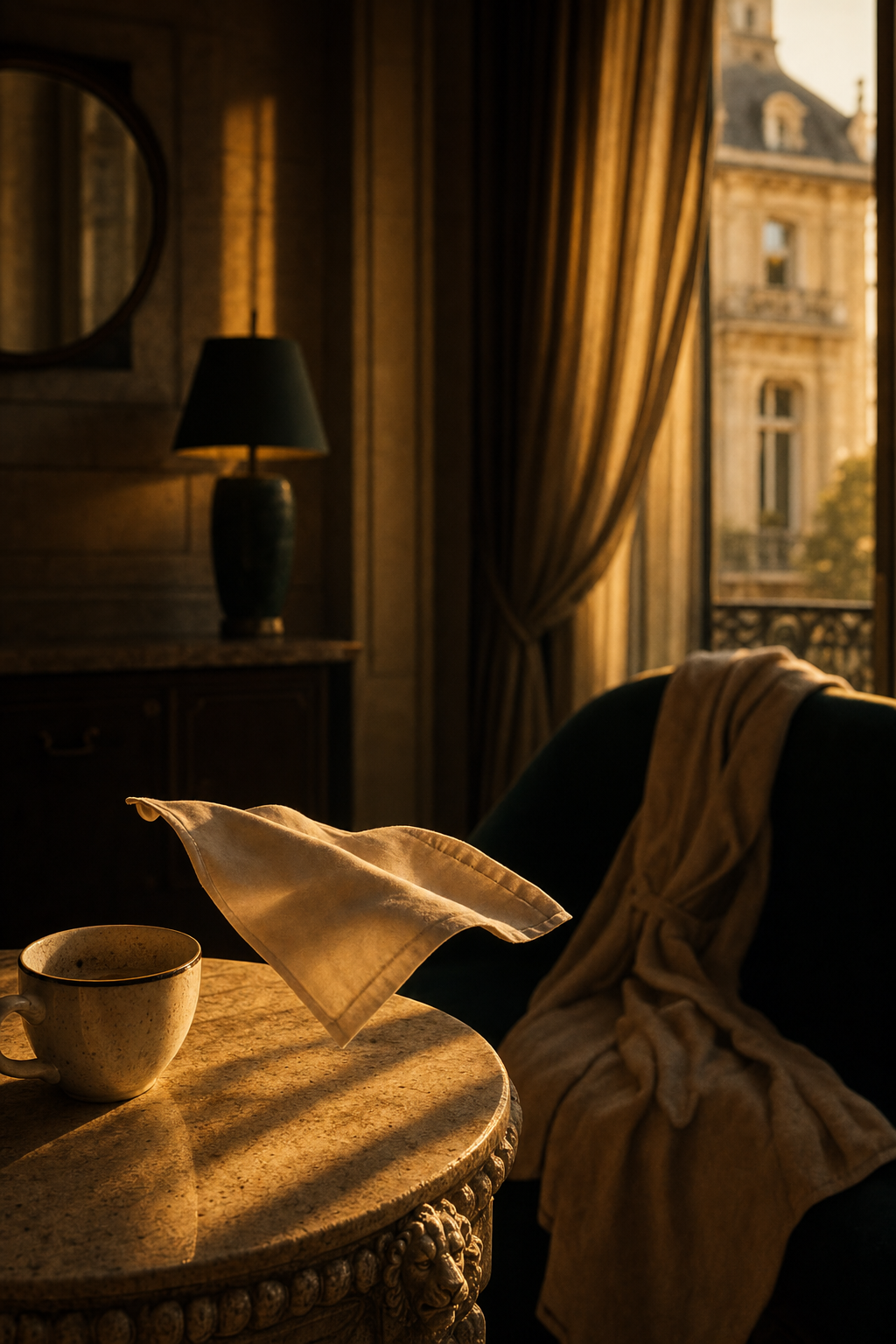
The commitment gap represents the final hurdle in the guest journey, characterized by an industry-wide booking engine abandonment rate of approximately 85 percent. This drop-off often occurs when the polished narrative of a social media campaign meets the stark, unrefined reality of a standard booking interface. This visual shock triggers a subconscious loss of trust. If a traveler discovers a property through luxury hotel brand visuals that feel premium and curated, but finds low-quality, static imagery at the point of purchase, the brand promise is broken.
To secure direct bookings, the visual experience must remain unbroken from the initial discovery to the final click. Implementing AI driven cinematic film suites across all digital touchpoints ensures that the same cinematic signature follows the guest through their entire decision-making process. High-impact, scroll-stopping content on Instagram should serve as a prologue to the experience found on the booking page. When the lighting, pacing, and color science remain consistent, it reinforces the brand's authority and justifies the investment in a direct stay.
By maintaining this cinematic video hotel group brand consistency direct bookings 2026 standard, marketing teams can effectively elevate brand prestige and reduce friction. The goal is to move the guest from passive observation to active commitment. When the 'Book Now' button is surrounded by the same high-fidelity motion sequences that first captured their attention, the transition feels like a continuation of the dream rather than a cold commercial transaction. This continuity is the primary psychological driver for bypassing third-party distributors in favor of a direct relationship with the brand.
Implementation Strategy for Global Hotel Marketing VPs
Executing a global visual overhaul begins with a rigorous audit of existing assets across every region. A Boston based VP should first categorize current video content by its lighting, frame rates, and emotional resonance to pinpoint exactly where visual dissonance occurs. This audit reveals the specific gaps that lead to guest abandonment at the point of purchase.
Following the audit, the marketing team must establish a Master Cinematic Style Guide. This document serves as the technical mandate for AI driven cinematic film suites. It must define the specific Look-Up Tables (LUTs) used for color grading; this ensures the luminosity of a rooftop bar in London matches the soft light of a suite in Tokyo. The guide should also specify AI motion logic, deciding if the brand’s signature is defined by slow, horizontal pans or vertical, high-angle crane movements. Standardizing sound design, including specific ambient frequencies and spatial audio textures, completes this sensory blueprint.
To maximize impact, integrate these luxury hotel brand visuals into regional sales toolkits and revenue management strategies. By replacing fragmented property photos with unified cinematic films on booking engines and OTA profiles, you directly influence the brand’s commercial voice. This strategic alignment is the final step to elevate brand prestige and secure cinematic video hotel group brand consistency direct bookings 2026 targets.
As the landscape shifts toward 2026, maintaining brand consistency through cinematic video remains essential for securing direct bookings. High quality visuals build the narrative depth and trust that modern travelers demand. Developing a professional video strategy involves significant technical expertise and creative coordination. If you want expert help in elevating your hotel brand and capturing your audience, you can read more about our mission and team. We are dedicated to helping your property stand out in an increasingly competitive digital marketplace.